OVERVIEW
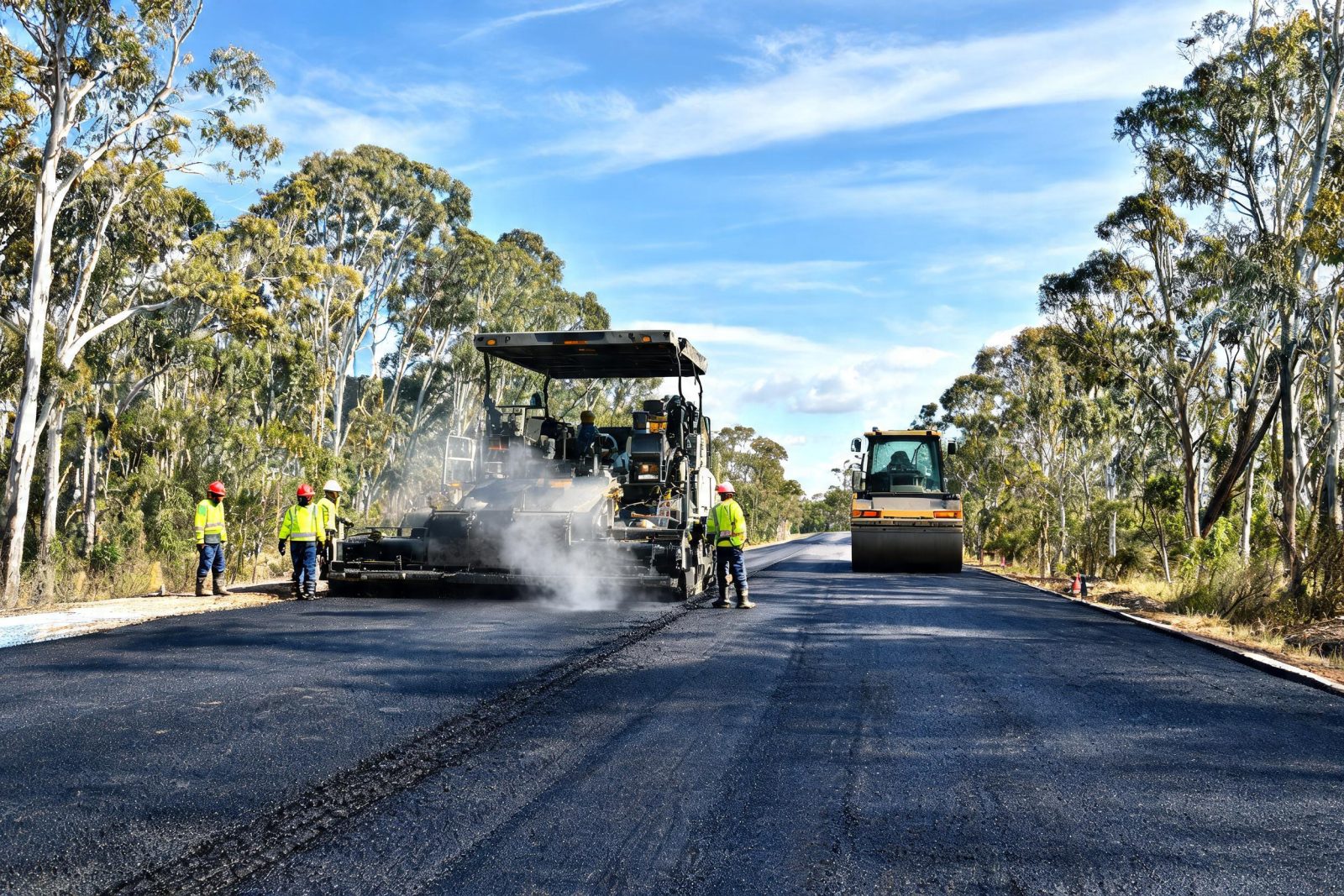
Asphalt is a mixture of graded stone aggregates bound together with bitumen, a heavy petroleum product that acts as the glue; a concrete pavement, by contrast, is made from aggregates bound with cement, which sets by a chemical reaction into a rigid slab. That single difference in binder — bitumen versus cement — leads to almost every practical distinction between the two, because bitumen is a visco-elastic material that softens when hot and stiffens when cold and can flex under load, while set cement is rigid and brittle. Understanding this contrast is the foundation for everything else in the course, because it explains how each type of pavement carries traffic, how it fails, and how it is maintained.
Look more closely at asphalt as a material. The aggregates — crushed rock, gravel and sand, graded from larger stones down to fine particles — make up the great majority of the mix by mass and provide its strength and stability through the interlock of the stones. The bitumen coats the aggregate particles and binds them together, giving the mix its cohesion, its flexibility and its resistance to water. Air voids — small gaps left deliberately between the coated particles — are the third component, and their proportion is important: too many voids and the mix is permeable and prone to ageing and ravelling; too few and the mix can deform and rut in hot weather. A well-designed asphalt is a careful balance of these three, tuned to the traffic and climate it must serve. Different asphalt types exist for different purposes — dense-graded mixes for general structural layers, more open mixes for surface drainage and noise, and stone-heavy mixes for heavy-duty surfaces — but all share the same basic recipe of aggregate, bitumen and air.