Introduction to Concrete Masonry and Pavers training
All courses

Introduction to Concrete Masonry and Pavers

A concrete masonry unit (CMU), commonly called a block, is a masonry unit made from cement, aggregate and water, formed under pressure and cured…

CPD accredited 10 questions · 6-page handbook Recommended renewal: 1 year Accredited by Assured CPD

Enrol and start straight away · assessment & instant e-certificate included

OVERVIEW

About this course.

A concrete masonry unit (CMU), commonly called a block, is a masonry unit made from cement, aggregate and water, formed under pressure and cured rather than fired, and laid in mortar to build walls in the same family of construction as brickwork. Blocks are larger than bricks — designed to be laid with two hands — so they build walls quickly and economically, and they come in a wide range of types, sizes and shapes to suit structural, appearance and performance needs. Understanding the main types is the starting point for using concrete masonry well, because a block suited to a garden wall differs from one suited to a load-bearing, reinforced structural wall.

Concrete blocks are distinguished first by whether they are hollow or solid. Hollow blocks have voids (cores) running through them, which reduce weight, save material and, importantly, create vertical channels that can be filled with grout and steel reinforcement to make reinforced masonry (Module 3). Hollow blocks are the workhorse of structural blockwork. Solid blocks (and part-solid units) have no significant voids and are used where the cores are not needed. The presence of cores is one of the defining features of concrete masonry, because it is what allows blockwork to be reinforced so readily.
The details
  • PriceA$60
  • FormatOnline · self-paced
  • Assessment10 questions · 80% to pass
  • CertificateInstant · 1-yr renewal
  • Course access12 months
Add to basket

Need more than two? A$149 Annual Pass — every course, for a year

  • Independently accredited — Assured CPD
  • Secure card checkout via Stripe
  • Instant certificate · 1-yr renewal
  • Access guarantee — full refund if a technical fault stops you accessing your course
WHAT'S COVERED

Course syllabus.

What is a concrete masonry unit, and what are the main types?
What properties of concrete blocks matter, and how do they affect selection?
What is the difference between unreinforced and reinforced masonry?
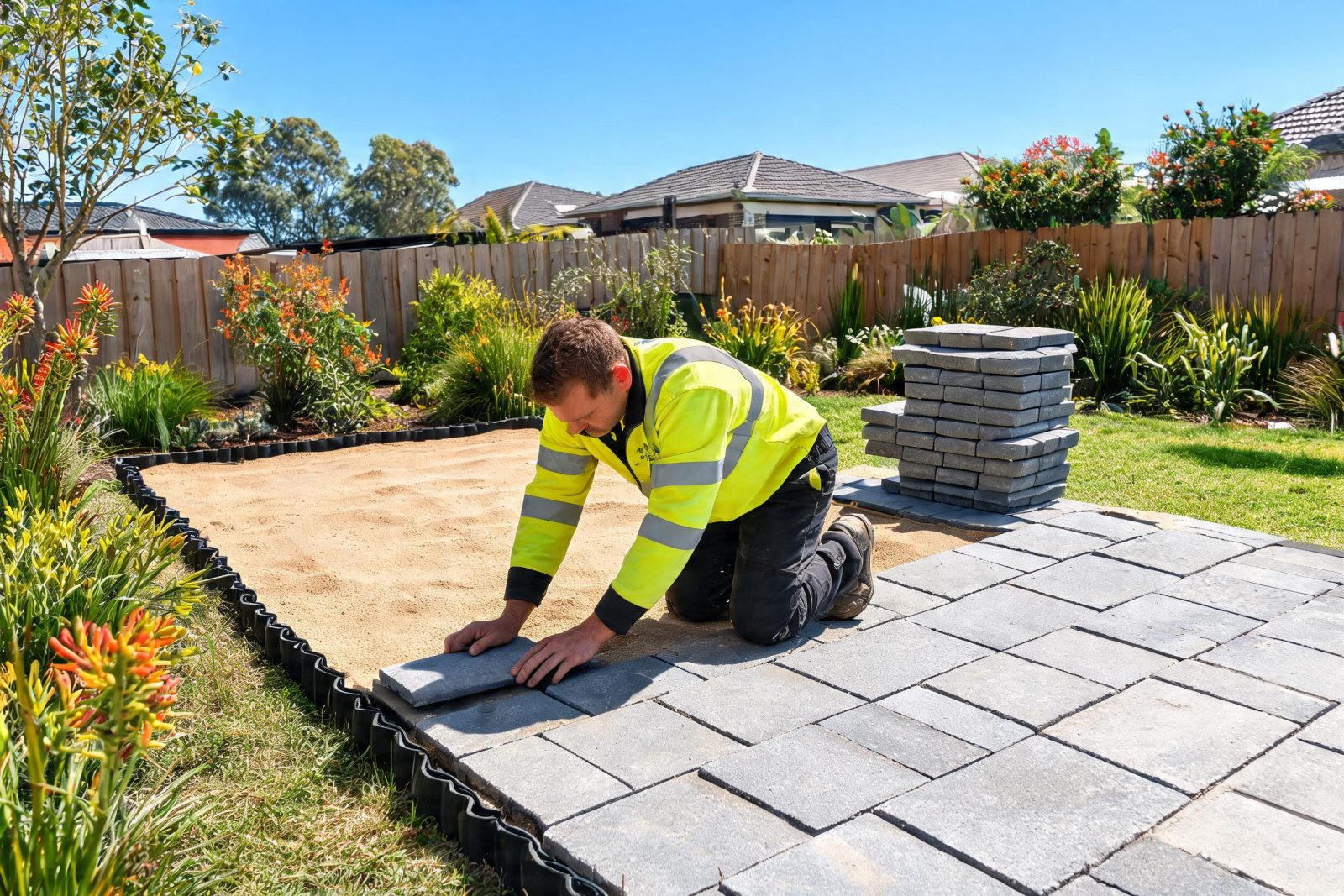
What are concrete pavers, and how does segmental paving work?
Why do the base and edge restraint make or break paving?
Where do concrete masonry and pavers suit the job, and how are they kept durable?
GOOD TO KNOW

Frequently asked questions.

How much does the Introduction to Concrete Masonry and Pavers course cost?

It costs A.00 — a one-off payment with no subscription. The price includes the online course, the assessment, and your certificate.

Is Introduction to Concrete Masonry and Pavers CPD accredited?

Yes. It is independently accredited by Assured CPD. Your certificate carries a unique ID and QR code that an employer or inspector can verify online at nexiscpd.com.au/verify.

How is the course assessed and when do I get my certificate?

You study online at your own pace, then take a multiple-choice assessment with an 80% pass mark. As soon as you pass, your Assured CPD certificate is emailed to you and available to download instantly.

Does the Introduction to Concrete Masonry and Pavers certificate expire?

This certificate has no legal expiry.

Can I take this course online, and how long do I have access?

Yes — the course is 100% online and works on any device. You get 12 months of access to the course materials from the date of purchase.

READY?

Start Introduction to Concrete Masonry and Pavers today.

Enrol and begin straight away. Pass the assessment and your Assured CPD certificate is emailed instantly.