Roof Drainage Basics | Nexis CPD
Roof Drainage Basics training
All courses

Roof Drainage Basics

Roof drainage works by using the slope of the roof and of the drainage components to collect the rain that lands on the roof and carry it, by…

CPD accredited 10 questions · 6-page handbook Recommended renewal: 1 year Accredited by Assured CPD

Enrol and start straight away · assessment & instant e-certificate included

OVERVIEW

About this course.

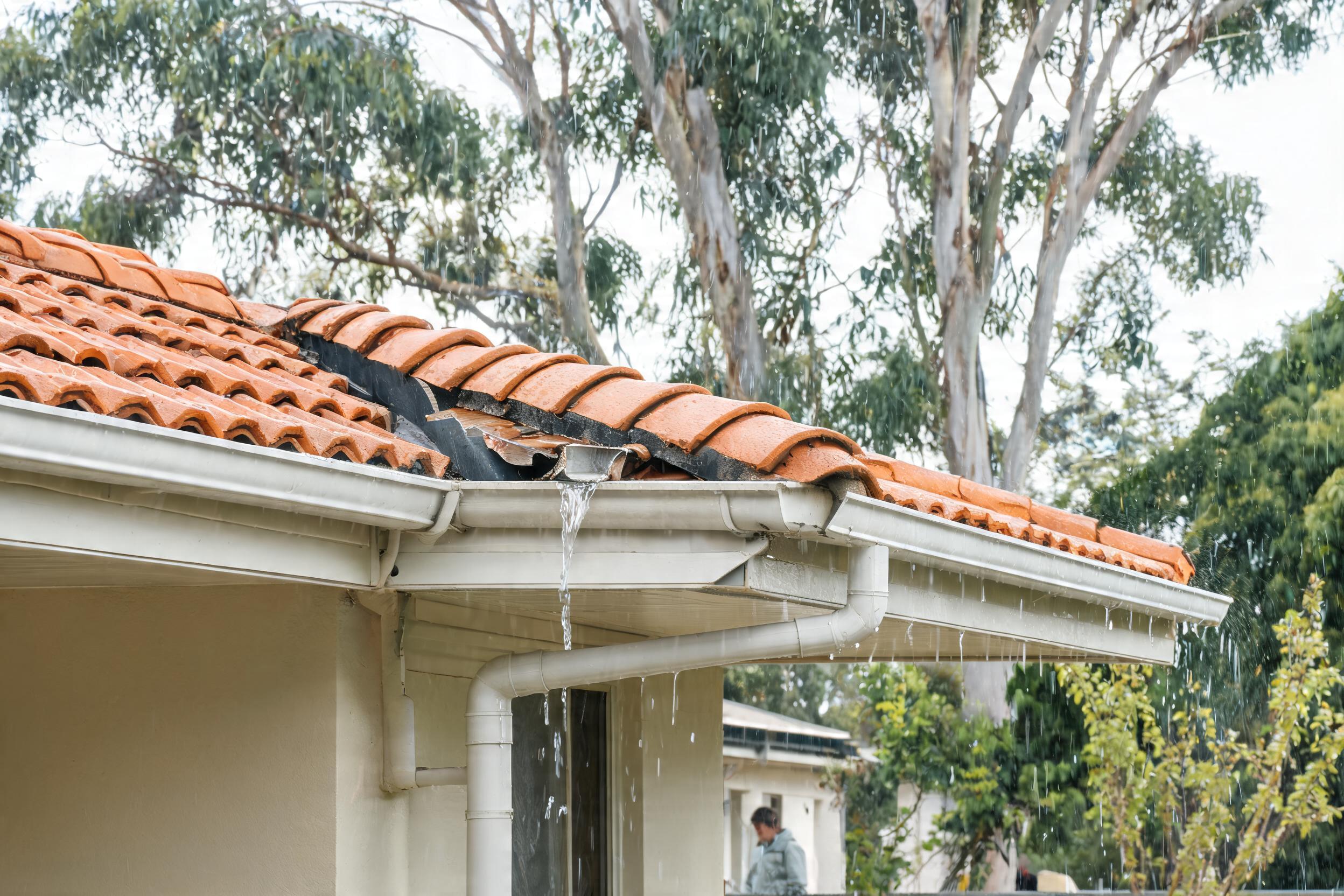
Roof drainage works by using the slope of the roof and of the drainage components to collect the rain that lands on the roof and carry it, by gravity, off the roof and away from the building to a safe discharge point — and it matters because a roof sheds a large volume of water very quickly during rain, and if that water is not collected and carried away, it will find its way into the building or undermine its surrounds. The system is conceptually simple — catch the water at the roof edge or in valleys, funnel it into downpipes, and take it away — but it must be sized, laid and detailed correctly to cope with heavy rain, and it must include safeguards for when it is overwhelmed or blocked. When roof drainage is right, it is invisible; when it is wrong, it is one of the more damaging and common building problems.

The basic path of water. Rain lands on the roof and runs down its slope to the low edges (for a pitched roof) or to internal drainage points (for a flat or complex roof). At the eaves, gutters catch this run-off and carry it along their length, falling gently towards outlets. From the gutters, water drops into downpipes, which carry it down the building. The downpipes discharge to the site's stormwater drainage — an underground pipe system, a legal point of discharge, or (increasingly) to rainwater tanks, on-site detention or infiltration systems, depending on the site and local requirements. On larger or flat roofs, box gutters, sumps and rainheads collect and channel water to downpipes. At every stage, gravity and correct falls move the water along, and the components must be sized to handle the flow.
The details
  • PriceA$60
  • FormatOnline · self-paced
  • Assessment10 questions · 80% to pass
  • CertificateInstant · 1-yr renewal
  • Course access12 months
Add to basket

Bundle & save: pay for 2, get 3 — your 3rd course is free

  • Independently accredited — Assured CPD
  • Secure card checkout via Stripe
  • Instant certificate · 1-yr renewal
  • Access guarantee — full refund if a technical fault stops you accessing your course
WHAT'S COVERED

Course syllabus.

How does roof drainage work, and why does it matter?
What are the main components of roof drainage?
Why do overflow provisions matter so much?
What is rainfall intensity, and what is adequate capacity?
What causes blockages and failures, and how do we maintain roof drainage?
Consequences of failure, who does the work, and what governs it?
GOOD TO KNOW

Frequently asked questions.

How much does the Roof Drainage Basics course cost?

It costs A

.00 — a one-off payment with no subscription. The price includes the online course, the assessment, and your certificate.

Is Roof Drainage Basics CPD accredited?

Yes. It is independently accredited by Assured CPD. Your certificate carries a unique ID and QR code that an employer or inspector can verify online at nexisacademy.com.au/verify.

How is the course assessed and when do I get my certificate?

You study online at your own pace, then take a multiple-choice assessment with an 80% pass mark. As soon as you pass, your Assured CPD certificate is emailed to you and available to download instantly.

Does the Roof Drainage Basics certificate expire?

This certificate has no legal expiry.

Can I take this course online, and how long do I have access?

Yes — the course is 100% online and works on any device. You get 12 months of access to the course materials from the date of purchase.

READY?

Start Roof Drainage Basics today.

Enrol and begin straight away. Pass the assessment and your Assured CPD certificate is emailed instantly.