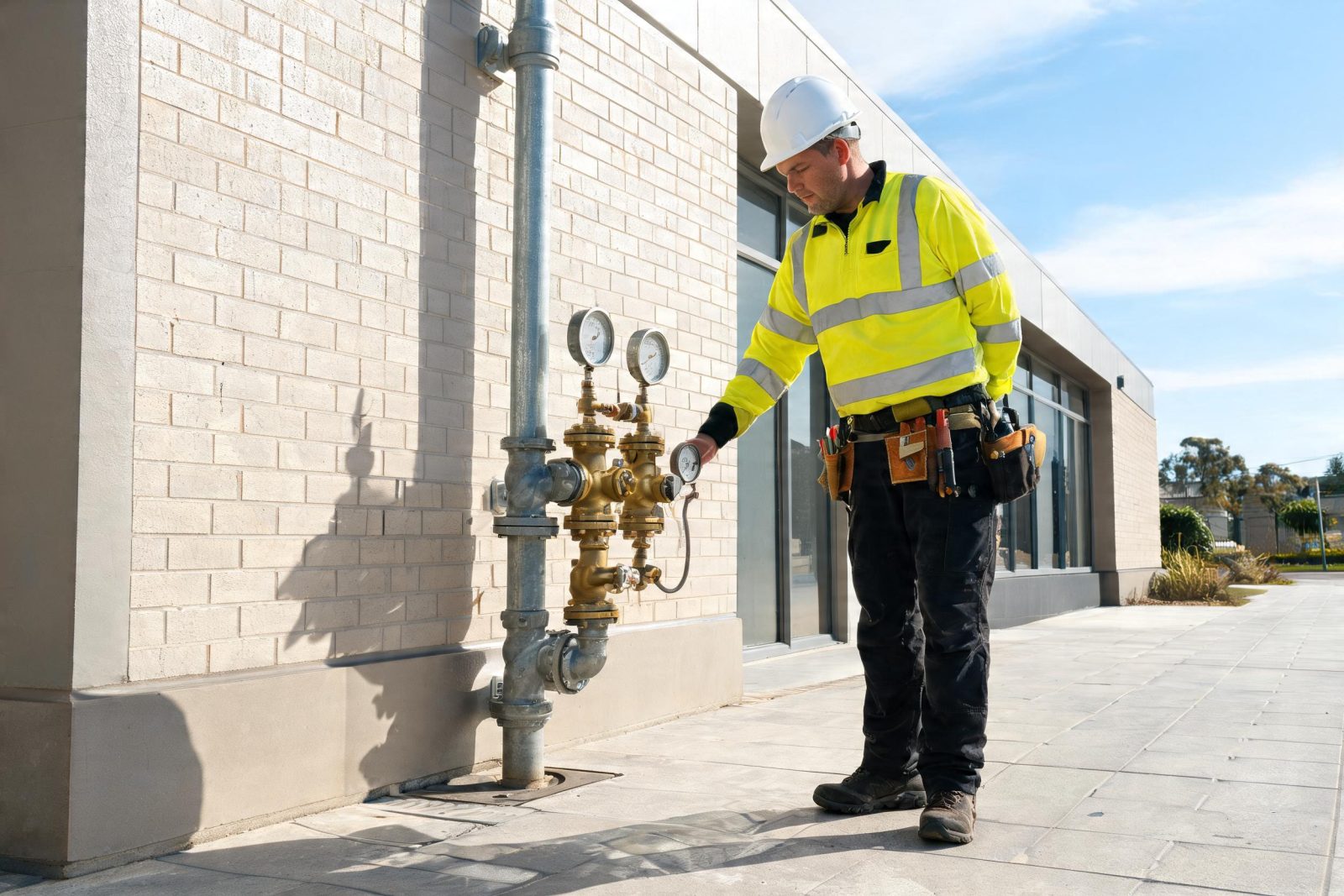
Backflow Prevention Basics training
All courses

Backflow Prevention Basics

Backflow is the unwanted reversal of flow in a plumbing system, so that water travels backwards from a point of use toward the drinking-water supply…

CPD accredited 10 questions · 6-page handbook Recommended renewal: 1 year Accredited by Assured CPD

Enrol and start straight away · assessment & instant e-certificate included

OVERVIEW

About this course.

Backflow is the unwanted reversal of flow in a plumbing system, so that water travels backwards from a point of use toward the drinking-water supply instead of forward from the supply to the tap. It is dangerous because if that reversed flow passes through a point where the potable supply is connected to a source of contamination, it can pull pollutants — chemicals, wastewater, garden or industrial fluids, or micro-organisms — back into the pipes that deliver drinking water, potentially to the building's own occupants and, in the worst cases, to the wider public network. Preventing backflow is therefore fundamentally about protecting public health by keeping the potable supply one-directional and clean.

The principle at the heart of the subject is the protection of potable water. Treated drinking water is delivered to properties under pressure on the understanding that it will flow only outward to fixtures and appliances. The system is designed and maintained to keep that water free from contamination all the way to the point of use. Any pathway by which non-potable water or other substances could enter the potable pipework undermines that guarantee. Because a single property's plumbing can, under the wrong conditions, feed contamination back into the shared main, backflow is not only a private risk to one building's occupants but a potential risk to everyone downstream on the same supply. That shared exposure is why water authorities and plumbing regulators treat backflow prevention so seriously and why it is regulated rather than left to individual judgement.

The details
  • PriceA$60
  • FormatOnline · self-paced
  • Assessment10 questions · 80% to pass
  • CertificateInstant · 1-yr renewal
  • Course access12 months
Add to basket

Need more than two? A$149 Annual Pass — every course, for a year

  • Independently accredited — Assured CPD
  • Secure card checkout via Stripe
  • Instant certificate · 1-yr renewal
  • Access guarantee — full refund if a technical fault stops you accessing your course
WHAT'S COVERED

Course syllabus.

What is backflow, and why is it dangerous to the drinking-water supply?
How does backflow actually happen: back-siphonage and back-pressure?
What is a cross-connection, and how are hazards graded?
What are the main families of backflow prevention, and where do air gaps fit?
Why must testable devices be commissioned and tested regularly, and by whom?
Where is backflow protection required, and who is responsible?
GOOD TO KNOW

Frequently asked questions.

How much does the Backflow Prevention Basics course cost?

It costs A.00 — a one-off payment with no subscription. The price includes the online course, the assessment, and your certificate.

Is Backflow Prevention Basics CPD accredited?

Yes. It is independently accredited by Assured CPD. Your certificate carries a unique ID and QR code that an employer or inspector can verify online at nexiscpd.com.au/verify.

How is the course assessed and when do I get my certificate?

You study online at your own pace, then take a multiple-choice assessment with an 80% pass mark. As soon as you pass, your Assured CPD certificate is emailed to you and available to download instantly.

Does the Backflow Prevention Basics certificate expire?

This certificate has no legal expiry.

Can I take this course online, and how long do I have access?

Yes — the course is 100% online and works on any device. You get 12 months of access to the course materials from the date of purchase.

READY?

Start Backflow Prevention Basics today.

Enrol and begin straight away. Pass the assessment and your Assured CPD certificate is emailed instantly.