OVERVIEW
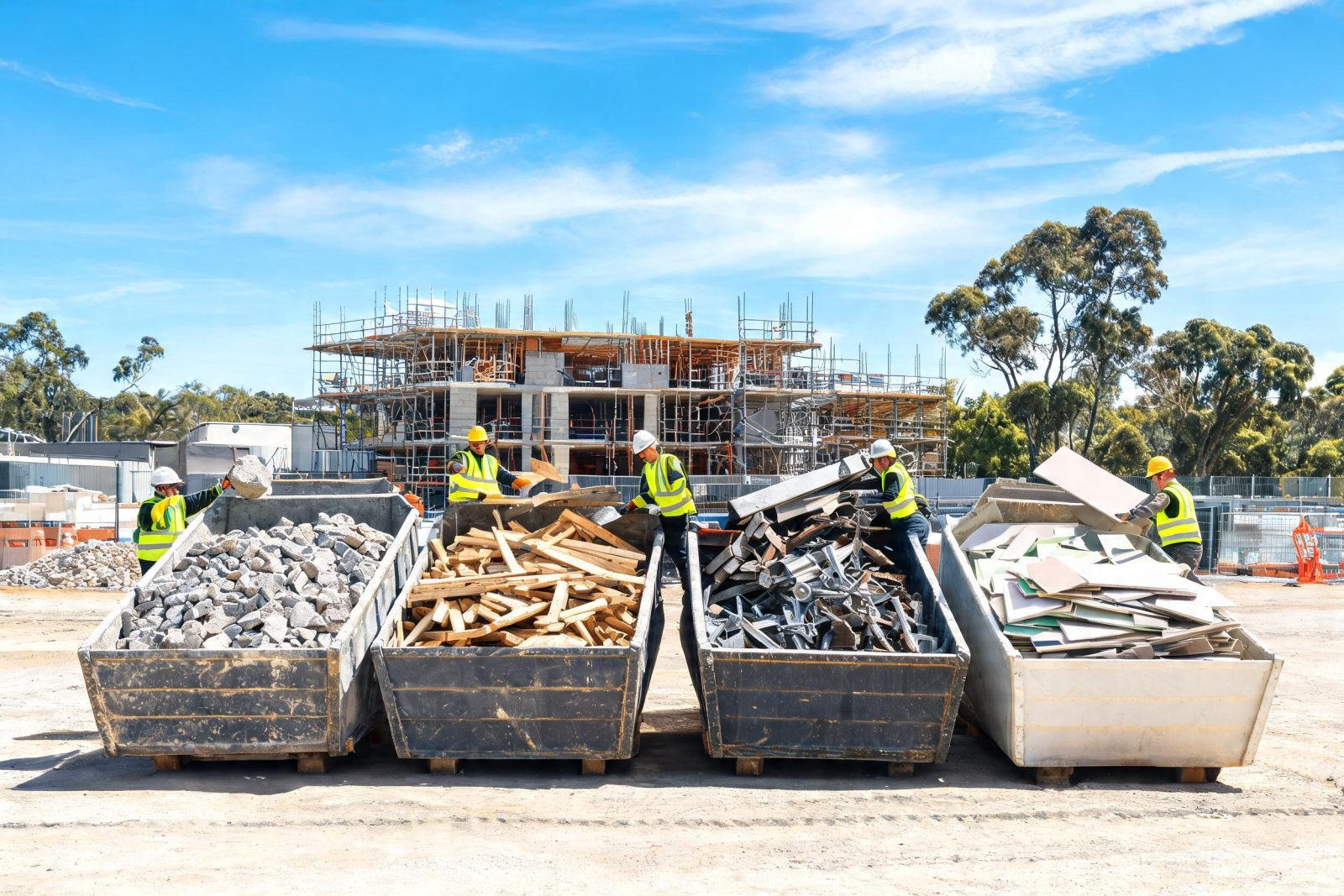
Construction and demolition activity generates one of the largest waste streams in Australia by mass, and it matters because that waste carries significant environmental, regulatory and commercial consequences that the industry is increasingly expected to manage. Building, renovating and demolishing structures produces enormous quantities of material — concrete, bricks, timber, metal, plasterboard, glass, soil, packaging and more — and while a good proportion of some of these materials is already recovered and recycled, large volumes still go to landfill. This matters because landfill consumes land and resources and can cause environmental harm; because sending materials to landfill wastes the resources and energy embodied in them; and because regulators, clients and the community increasingly expect waste to be minimised and materials to be kept in use. For practitioners, waste is both an environmental responsibility and a real cost.
To grasp the scale, it helps to think about where the material comes from. Every stage of a building's life produces waste. Demolition of old structures releases the largest single volumes, as entire buildings are broken down into their constituent materials. Construction of new buildings generates offcuts, over-ordering, damaged materials, packaging and general site waste. Renovation and refurbishment combine both, stripping out old materials while installing new ones. Civil and infrastructure works generate large quantities of excavated soil and rock, concrete and asphalt. Across all of these, the sheer quantity of material handled means that even modest rates of wastage add up to very large volumes across the industry as a whole. This course does not cite specific tonnages or percentages, because such figures vary by source, jurisdiction and year and change over time; the reliable point is qualitative — C&D waste is among the biggest waste streams the country produces.