OVERVIEW
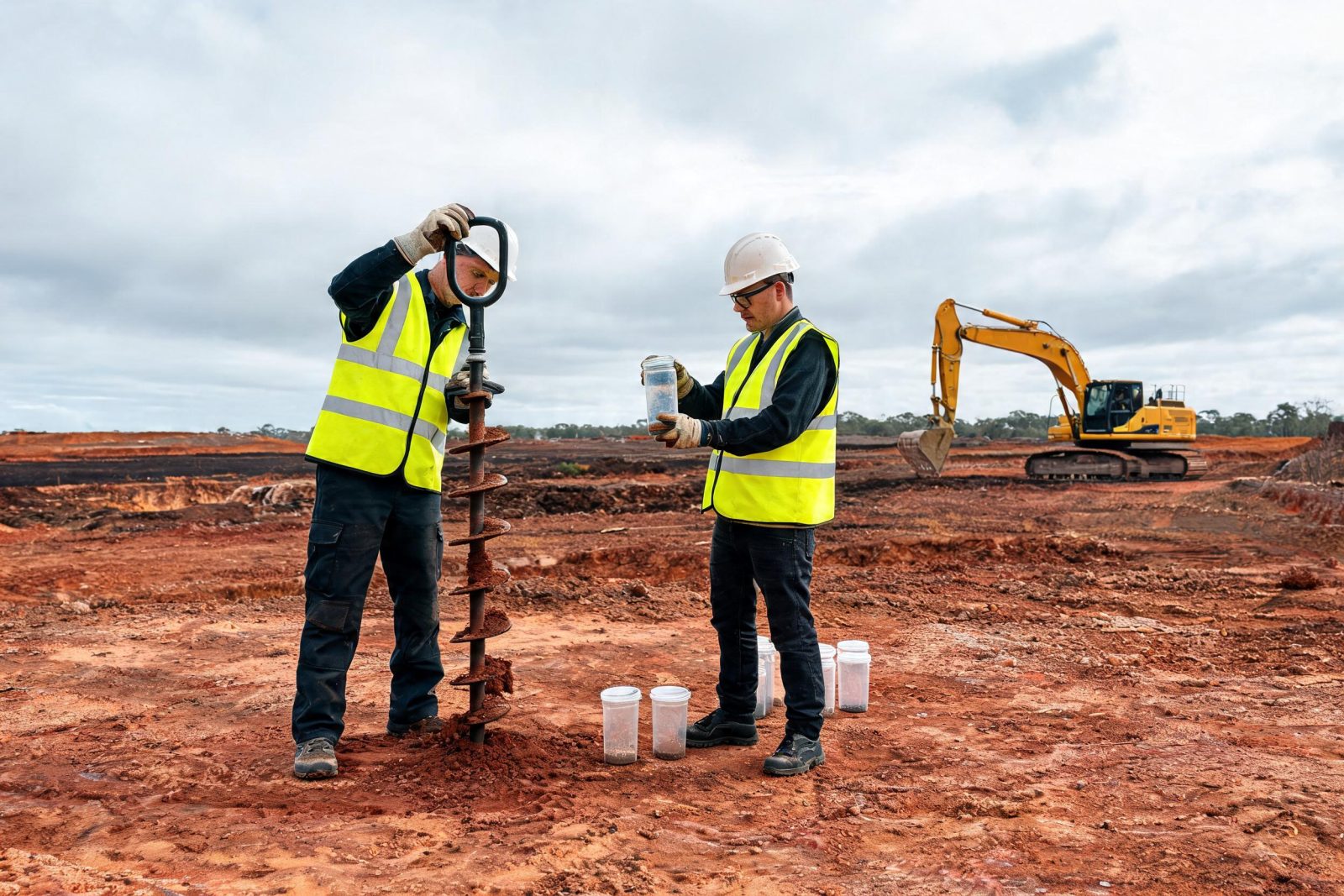
Contaminated land is land where substances are present in, on or under the ground at concentrations above natural background levels in a way that presents, or has the potential to present, a risk to human health or the environment. The substances are usually the legacy of past human activity — industry, agriculture, waste disposal, fuel storage and similar uses — that has left residues in the soil, in imported fill, or in groundwater. Contamination matters for development because it can pose real risks to the people who will use a site and to the surrounding environment, because it can constrain or prohibit certain land uses, and because, if it is not identified and dealt with properly, it can add substantial cost, delay, dispute and liability to a project. The central idea in modern practice is risk: whether land is a problem depends on the contaminants present, how much of them there is, and whether there is a pathway by which they could reach people or the environment in a harmful way.
The concept of contamination is best understood through the "source–pathway–receptor" idea that underpins contaminated-land assessment. A source is the contaminant itself — for example residues left in soil by a former use. A receptor is something that could be harmed — people who will live or work on the site, construction workers, nearby residents, plants and animals, or a waterway or aquifer. A pathway is the route by which a contaminant could reach a receptor — for example direct contact with contaminated soil, breathing dust or vapours, or contaminants migrating through groundwater. Land is a practical problem when a source, a pathway and a receptor are all present and connected; breaking that linkage — by removing or treating the source, blocking the pathway, or changing the exposure of the receptor — is the essence of managing contaminated land. This is why the same contaminant can be a serious issue for one proposed land use and a manageable one for another.