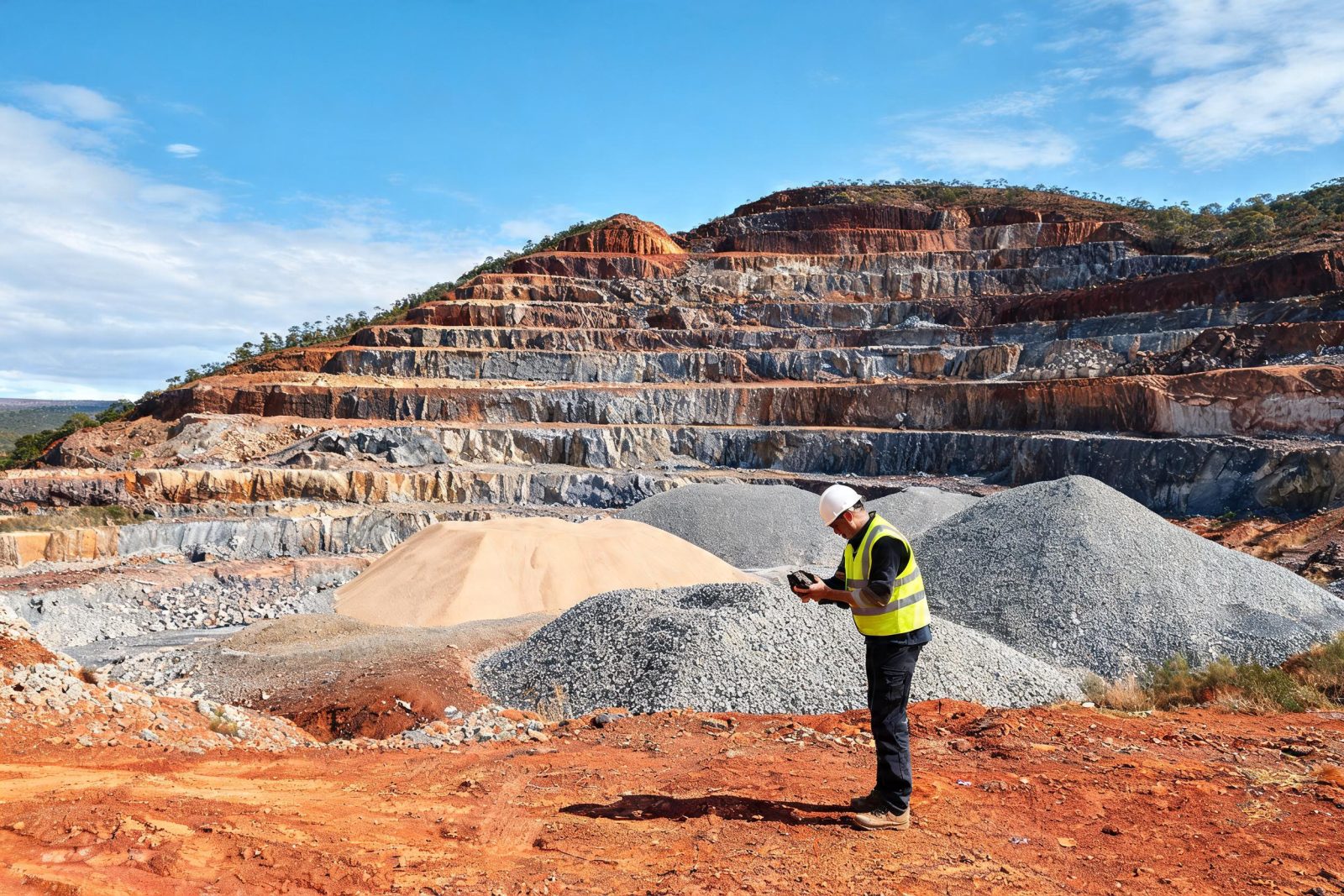
The Geology of Aggregates training
All courses

The Geology of Aggregates

Construction aggregates are the granular mineral materials — crushed rock, natural gravels and sands — that make up the physical bulk of most of what…

CPD accredited 10 questions · 6-page handbook Recommended renewal: 1 year Accredited by Assured CPD

Enrol and start straight away · assessment & instant e-certificate included

OVERVIEW

About this course.

Construction aggregates are the granular mineral materials — crushed rock, natural gravels and sands — that make up the physical bulk of most of what we build. They are the largest input by volume into the built environment, and although each tonne is inexpensive compared with cement, steel or timber, the sheer quantities used make aggregates a materially and economically significant resource. In concrete they typically form the majority of the volume; in asphalt they are the structural skeleton bound together by bitumen; in road and rail construction they form the load-spreading base and sub-base layers; and in drainage they provide the free-draining, filtering medium around pipes and behind retaining walls. Understanding aggregates is therefore not a niche interest — it underpins almost every trade on a site.

It helps to start with the vocabulary. Aggregates are usually divided into coarse aggregate (the larger particles, produced by crushing rock or as natural gravel) and fine aggregate (sand, whether natural or manufactured by crushing). The division is made by particle size rather than by any fixed chemical difference, with sand being the fine fraction and gravels and crushed stone the coarse fraction. A further useful distinction is between "natural" aggregates won more or less as they are found — river and pit sands and gravels rounded by water and time — and "crushed" or "manufactured" aggregates produced by drilling, blasting and crushing solid rock into angular fragments. Each behaves differently in use, as later modules explain.

The details
  • PriceA$60
  • FormatOnline · self-paced
  • Assessment10 questions · 80% to pass
  • CertificateInstant · 1-yr renewal
  • Course access12 months
Add to basket

Need more than two? A$149 Annual Pass — every course, for a year

  • Independently accredited — Assured CPD
  • Secure card checkout via Stripe
  • Instant certificate · 1-yr renewal
  • Access guarantee — full refund if a technical fault stops you accessing your course
WHAT'S COVERED

Course syllabus.

What are construction aggregates, and why are they the essential bulk of concrete, asphalt, road base and drainage?
Where do aggregates come from geologically, and how does source geology influence quality?
Which physical properties of an aggregate matter most, and why?
What are potentially reactive minerals and alkali–aggregate reaction, and why do they matter?
How are aggregates won by quarrying and extraction, and how are they tested for quality?
How can aggregate use be made more sustainable, through recycled and manufactured aggregates and responsible resource use?
GOOD TO KNOW

Frequently asked questions.

How much does the The Geology of Aggregates course cost?

It costs A.00 — a one-off payment with no subscription. The price includes the online course, the assessment, and your certificate.

Is The Geology of Aggregates CPD accredited?

Yes. It is independently accredited by Assured CPD. Your certificate carries a unique ID and QR code that an employer or inspector can verify online at nexiscpd.com.au/verify.

How is the course assessed and when do I get my certificate?

You study online at your own pace, then take a multiple-choice assessment with an 80% pass mark. As soon as you pass, your Assured CPD certificate is emailed to you and available to download instantly.

Does the The Geology of Aggregates certificate expire?

This certificate has no legal expiry.

Can I take this course online, and how long do I have access?

Yes — the course is 100% online and works on any device. You get 12 months of access to the course materials from the date of purchase.

READY?

Start The Geology of Aggregates today.

Enrol and begin straight away. Pass the assessment and your Assured CPD certificate is emailed instantly.