The NCC sorts every building, or part of a building, into a class from Class 1 to Class 10 according to its use. Class 1 is houses and small guest accommodation; Class 2 is apartments; Class 3 is shared and short-term accommodation; Class 4 is a single dwelling inside a non-residential building; Classes 5 to 8 are offices, shops, carparks, storage and factories; Class 9 is health care, assembly and residential care; and Class 10 is non-habitable structures such as sheds, fences and swimming pools.
Classification decides which volume of the NCC applies and almost every requirement after that — fire safety, egress, access and energy efficiency.
Why does building classification matter?
Almost every requirement in the NCC is keyed to classification. It determines:
- which volume of the Code applies — Volume One for Class 2 to 9 buildings, Volume Two and the ABCB Housing Provisions for Class 1 and 10;
- the fire safety provisions — fire resistance levels, compartment sizes, sprinklers and alarms;
- egress — the number of exits, travel distances and stair requirements;
- access for people with a disability; and
- energy efficiency requirements.
Classification is based on the purpose the building is designed, constructed or adapted for, not on the owner’s label for it. Getting it wrong at concept stage invalidates every assumption that follows, and it is one of the most expensive mistakes to find at approval.
Class 1: houses and small guest accommodation
Class 1a is a single dwelling that is a detached house, or one of a group of attached dwellings such as a townhouse or row house.
Class 1b covers two quite different things:
- a boarding house, guest house or hostel with a floor area of less than 300 m² that ordinarily has fewer than 12 people living in it; and
- four or more single dwellings on one allotment used for short-term holiday accommodation.
Class 1 buildings sit in Volume Two, with the detailed Deemed-to-Satisfy Provisions in the ABCB Housing Provisions.
Class 2 and Class 3: apartments and shared accommodation
Class 2 is a building containing two or more sole-occupancy units — apartments and flats, where each unit is a separate dwelling. It also includes single-storey attached dwellings where there is a common space below, such as a shared basement carpark.
Class 3 is residential accommodation for a number of unrelated people living together on a long-term or temporary basis. The ABCB’s examples include boarding houses, hostels, backpackers accommodation, dormitories and workers’ quarters, as well as accommodation for children, the elderly or people with a disability. The residential parts of hotels and motels are also Class 3.
Both are Volume One buildings. The distinction still matters, because the Code treats self-contained units and shared or transient accommodation differently in places such as fire safety and egress.
Class 4: a dwelling in a non-residential building
Class 4 is a sole dwelling or residence within a building of a non-residential nature — the classic example is a caretaker’s flat above a shop or inside a warehouse.
There can be only one Class 4 part in a building, and it can only be located within a Class 5 to 9 building. If there is more than one dwelling, the residential part is no longer Class 4.
Class 5 to Class 8: offices, shops, carparks, storage and factories
- Class 5 — an office building used for professional or commercial purposes, such as a law firm, accounting practice or government office.
- Class 6 — a shop or other building for the sale of retail goods or the supply of services direct to the public, including restaurants and cafés.
- Class 7a — a carpark.
- Class 7b — a warehouse, storage building, or a building for the display of goods or produce for wholesale.
- Class 8 — a factory or workshop where a process or handicraft is carried out for trade, sale or gain, including production, assembly, repair and food processing.
Class 9: health care, assembly and residential care
- Class 9a — a health-care building, typically a hospital, where occupants or patients undergo medical treatment and may need physical assistance to evacuate.
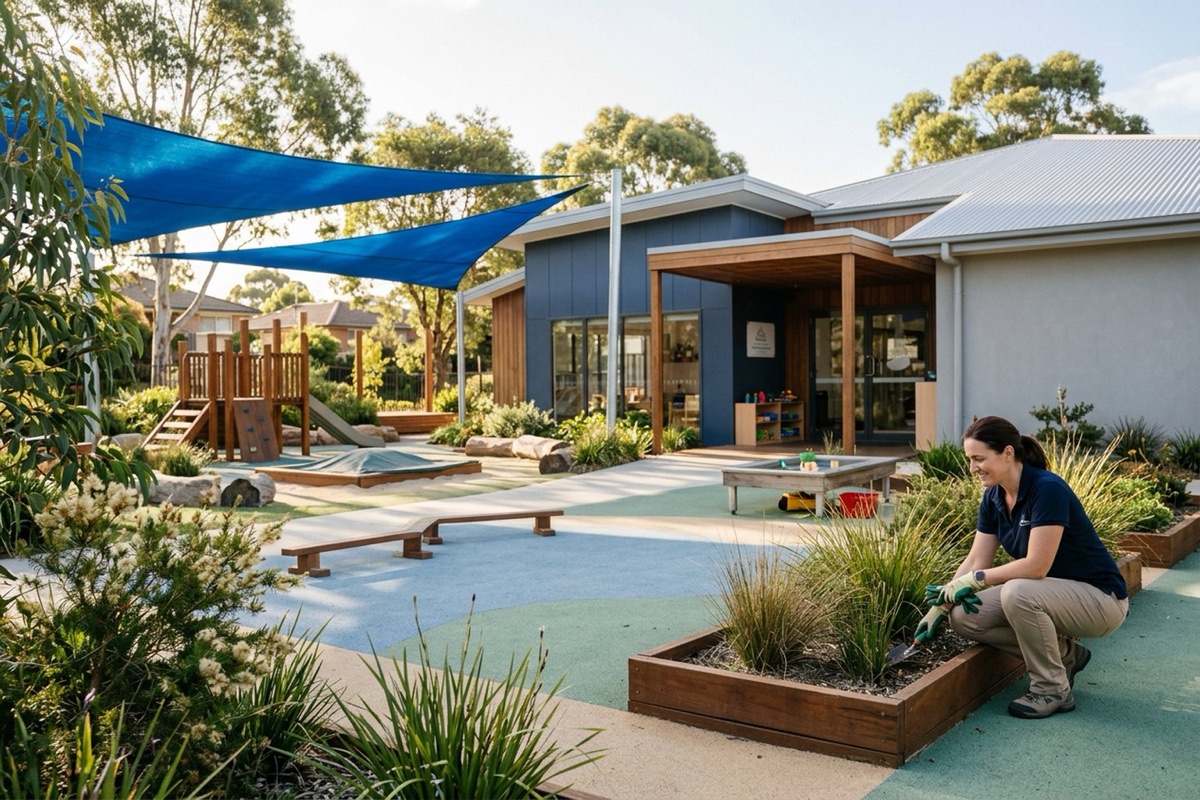
- Class 9b — an assembly building where people gather for social, theatrical, political, religious or civil purposes. It includes schools, childcare centres and sporting facilities.
- Class 9c — a residential care building where 10% or more of the people who live there need physical assistance with daily activities and to evacuate the building.
Class 9 carries some of the most demanding fire safety and egress provisions in the Code, because its occupants may be unable to evacuate without help, or may be present in large numbers.
Class 10: sheds, fences, pools and bushfire shelters
Class 10 covers non-habitable buildings and structures:
- Class 10a — non-habitable buildings such as sheds, carports and private garages.
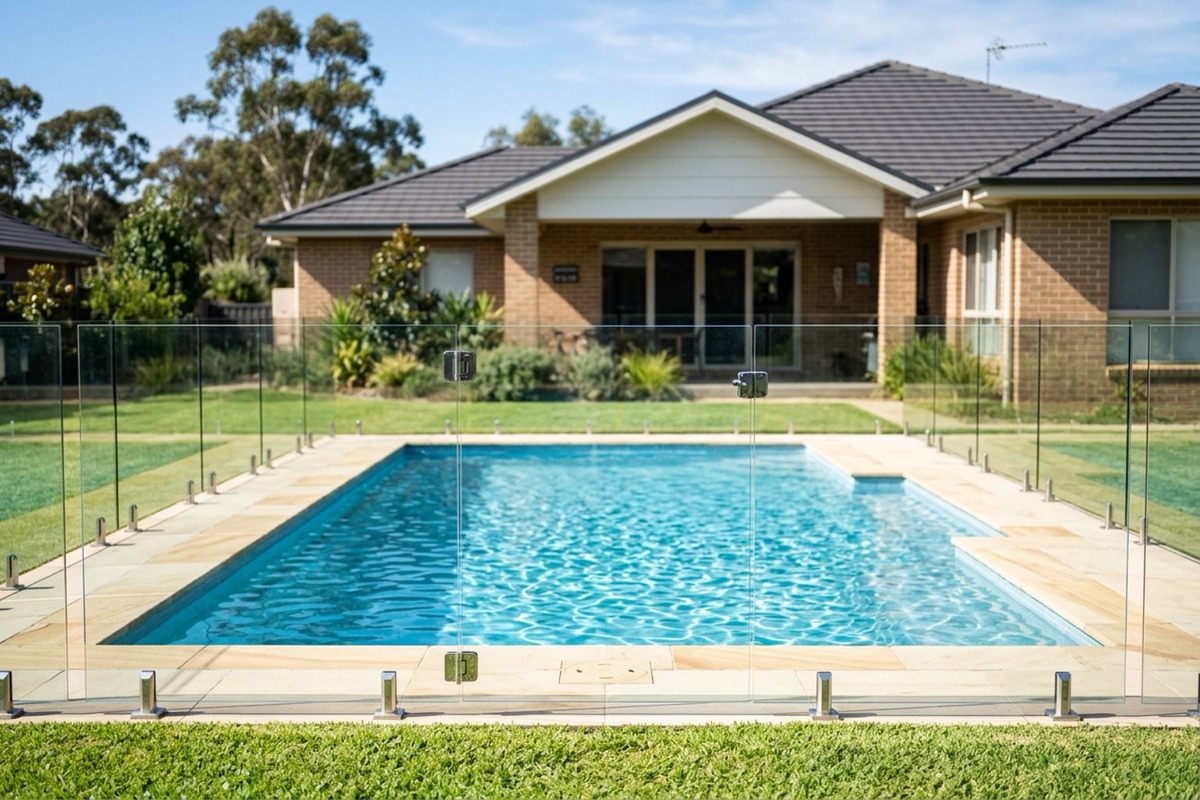
- Class 10b — structures such as a fence, mast, antenna, retaining wall or swimming pool.
- Class 10c — a private bushfire shelter associated with a Class 1a building.
Class 10 structures sit in Volume Two. Non-habitable does not mean unregulated: swimming pool barriers, for example, carry their own safety requirements under the NCC and state pool safety laws.
What happens when a building has more than one use?
Many buildings have more than one classification. A shop with apartments above it is Class 6 on the ground floor and Class 2 above; an office building with a basement carpark is Class 5 and Class 7a. Each part is classified separately, and each part must meet the requirements for its own classification.
The NCC has an ancillary-use rule for small parts: where a part of a building has a different purpose and is not more than 10% of the floor area of the storey it is on, it may be classified the same as the main use of that storey — a small storeroom in a shop, for example. The rule does not apply if the minor part is a laboratory, a Class 9b early childhood centre, or a Class 2, 3 or 4 part — those keep their own classification however small they are.
Where it is unclear which classification should apply, the approval authority has the discretion to decide. If a building’s use is genuinely borderline, settle the classification with your building surveyor or certifier in writing before design development — not after.
Common classification mistakes
- Treating short-term rentals as ordinary houses when four or more dwellings on one allotment are used for short-term holiday accommodation (Class 1b).
- Calling a boarding house a house. Above 300 m² or 12 residents, it is Class 3.
- Missing a Class 9b use. Childcare centres, gyms and places of worship are assembly buildings, even when they sit inside a building that is otherwise offices or shops.
- Missing a Class 9c trigger. Seniors housing where 10% or more of residents need physical assistance with daily activities and to evacuate is residential care, not Class 2 or Class 3.
- Assuming a change of use needs no approval. Changing a building’s use can change its classification, and with it the fire safety, egress and access requirements that apply.
Classify it right, then design it right
CPD-accredited online courses on the NCC and on the building types where classification decides everything, each with an assessment and a certificate.
- Understanding and Applying the National Construction Code View course →
- NCC Volume One: Multi-Residential, Commercial and Public Buildings View course →
- NCC Volume Two: Housing Provisions for Homes and Outbuildings View course →
- Access Requirements for Class 5, 7b and 8 Buildings View course →
- Designing Childcare Centres for Compliance View course →
- Designing for Ageing: Aged Care and Seniors Housing View course →
Frequently asked questions
What class is a house under the NCC?
A detached house, townhouse or row house is Class 1a. It is covered by NCC Volume Two and the ABCB Housing Provisions.
What class is an apartment building?
Class 2. A building with two or more sole-occupancy units is Class 2 and is covered by NCC Volume One, even though people live in it.
What is a Class 10a building?
A non-habitable building such as a shed, carport or private garage. Class 10b covers structures such as fences, retaining walls and swimming pools, and Class 10c is a private bushfire shelter.
What is a Class 1b building?
A boarding house, guest house or hostel under 300 m² that ordinarily has fewer than 12 people living in it, or four or more single dwellings on one allotment used for short-term holiday accommodation.
Can a building have more than one classification?
Yes. Each part of a building is classified according to its own use, and each part must meet the requirements for that classification. A shop with apartments above is Class 6 and Class 2.
Who decides a building's classification?
The classification follows the building's designed or intended use. Where it is unclear which classification applies, the approval authority has the discretion to decide, so borderline cases should be settled with the building surveyor or certifier early.