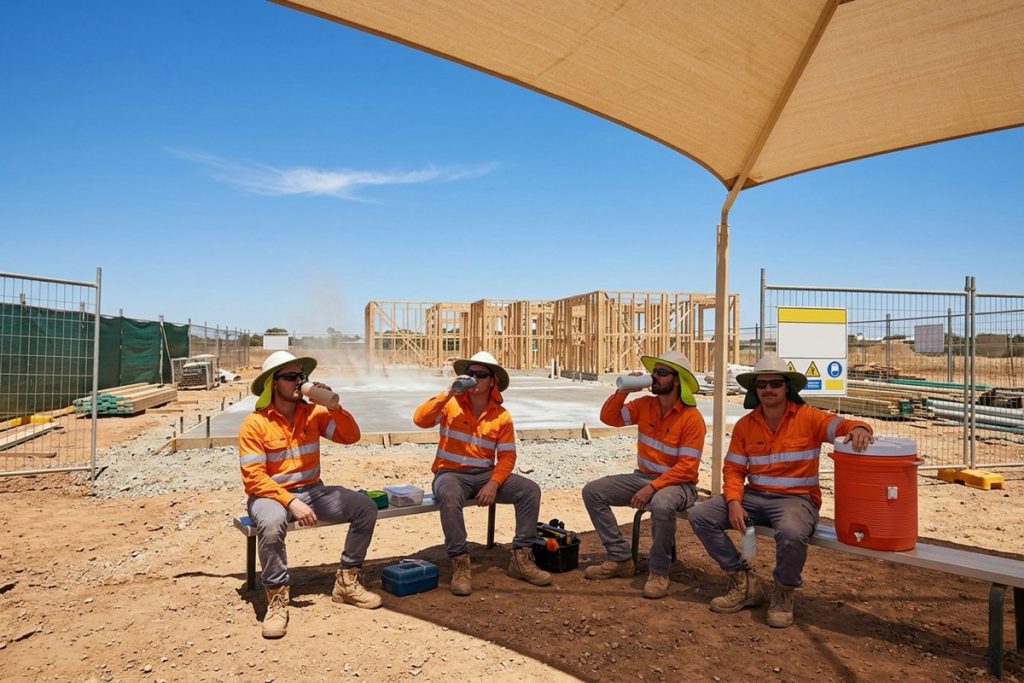
Working in heat: managing heat stress on construction sites
How the WHS laws treat heat as a hazard to be managed, the controls that work on construction sites, and how to spot and respond to heat-related illness.
WHS law, SWMS, high-risk construction work and site safety in Australia.
How the WHS laws treat heat as a hazard to be managed, the controls that work on construction sites, and how to spot and respond to heat-related illness.
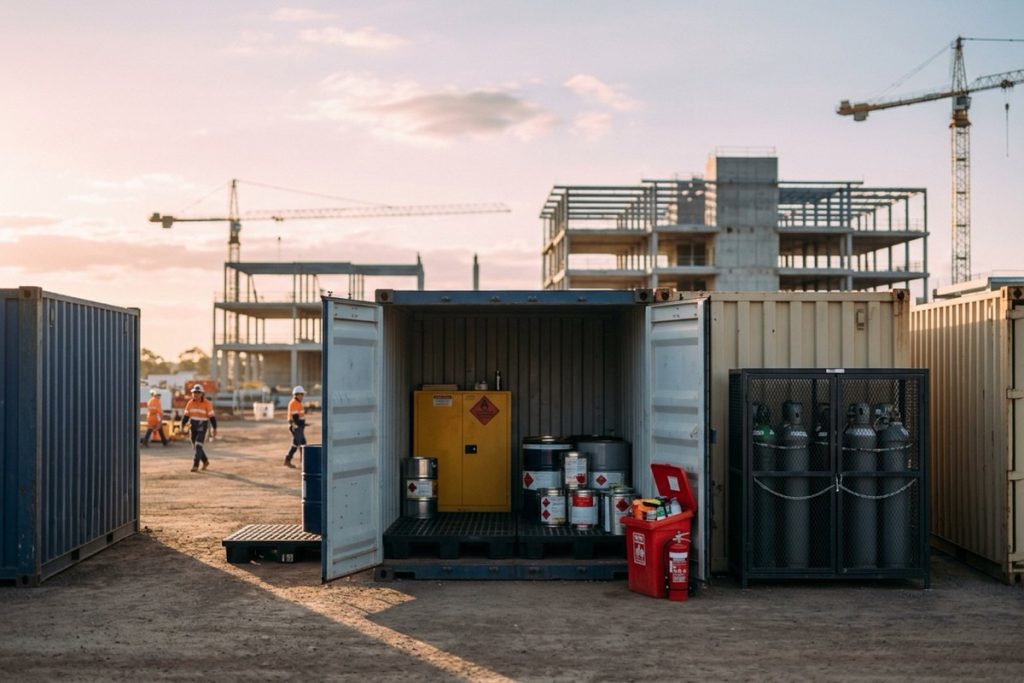
What the WHS Regulations require for chemicals on a building site: GHS 7 labels, current safety data sheets, a register, manifest thresholds, storage, spill control and health monitoring.
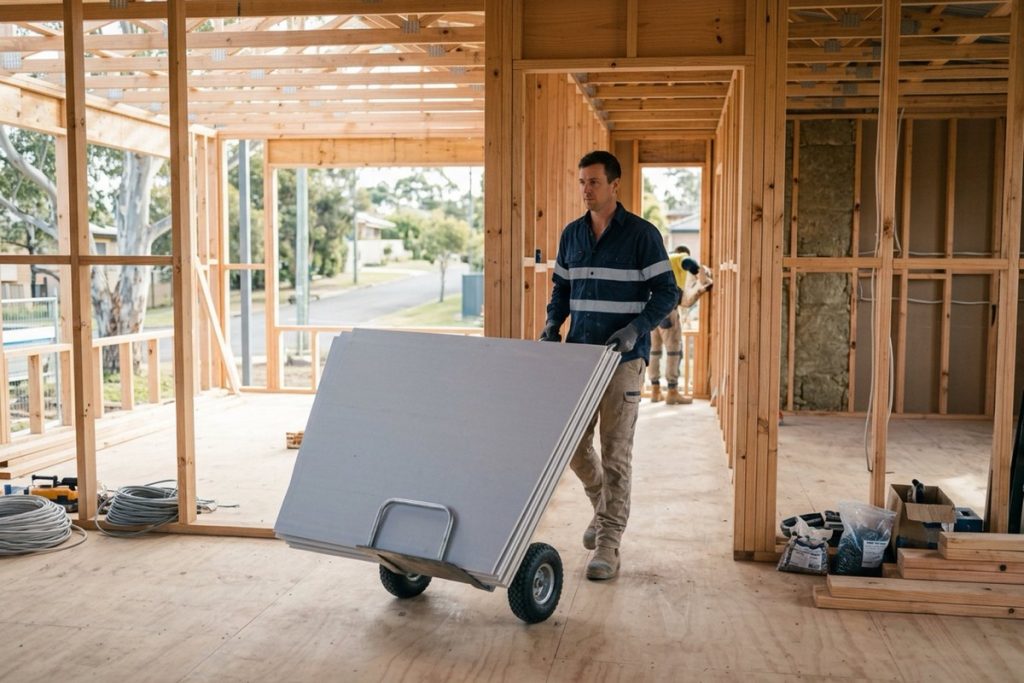
What counts as a hazardous manual task, what the WHS Regulations require of PCBUs and designers, and practical controls for construction sites.
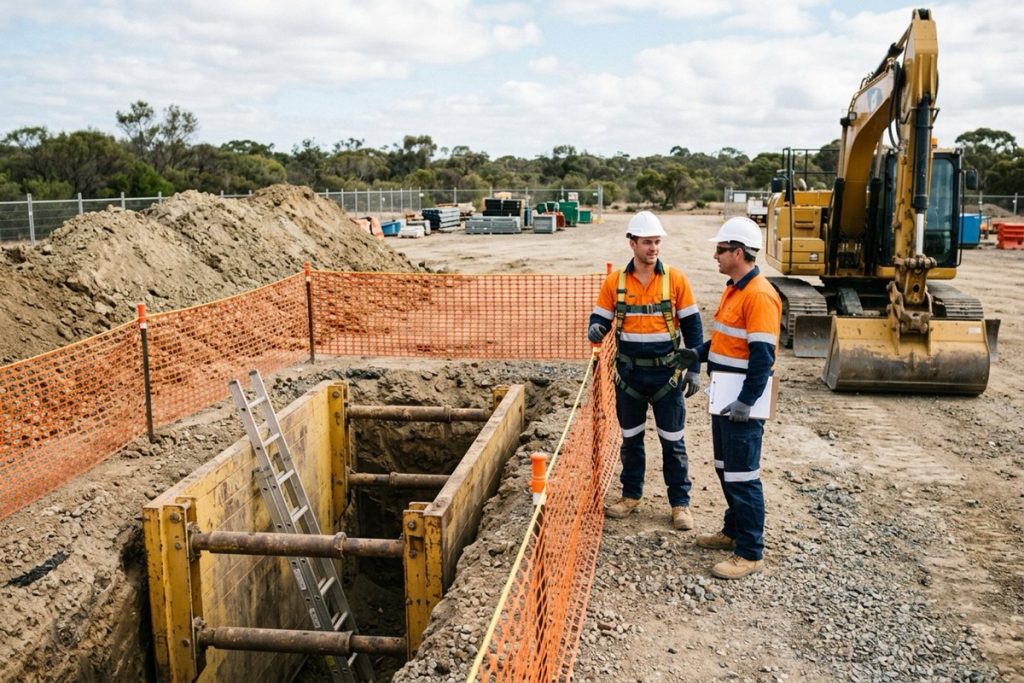
What the WHS Regulations require before and during excavation: underground services information, the 1.5 m trench rule, support systems and SWMS.
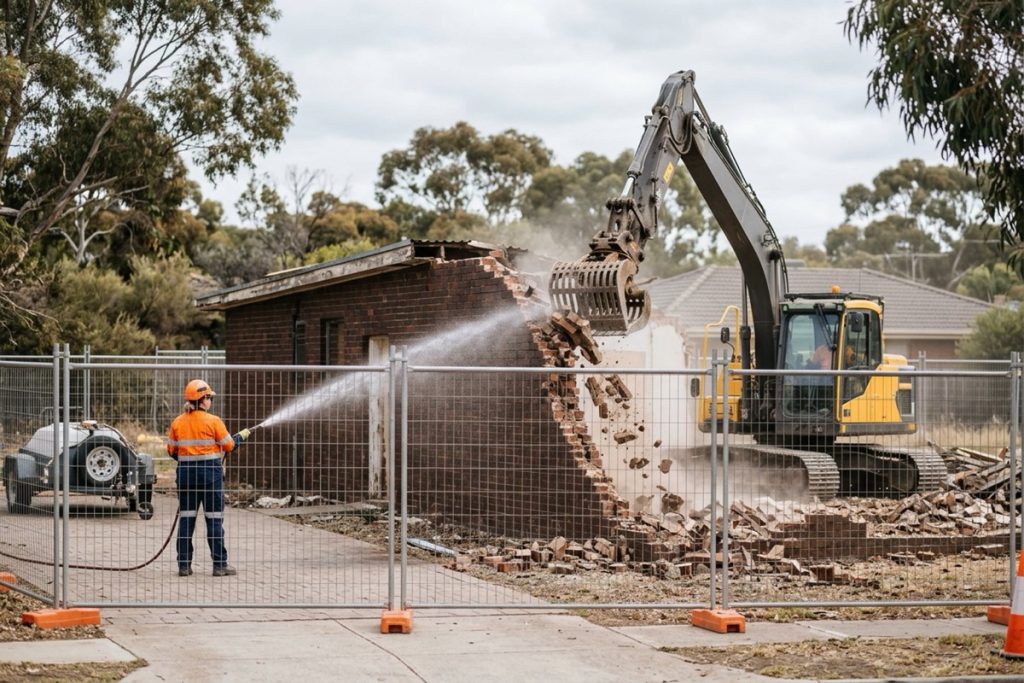
What the WHS Regulations require for demolition: high risk construction work, notice to the regulator, asbestos before demolition and planning.
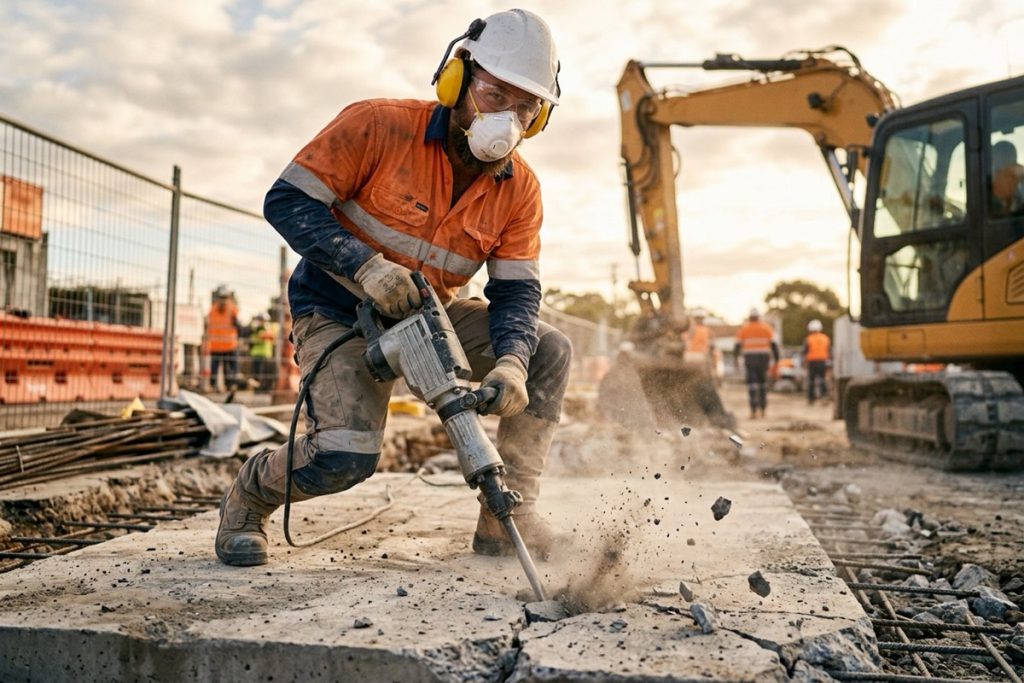
What the WHS Regulations require for noise on site, when workers need hearing tests, how to manage hand-arm and whole-body vibration, and neighbour noise rules.
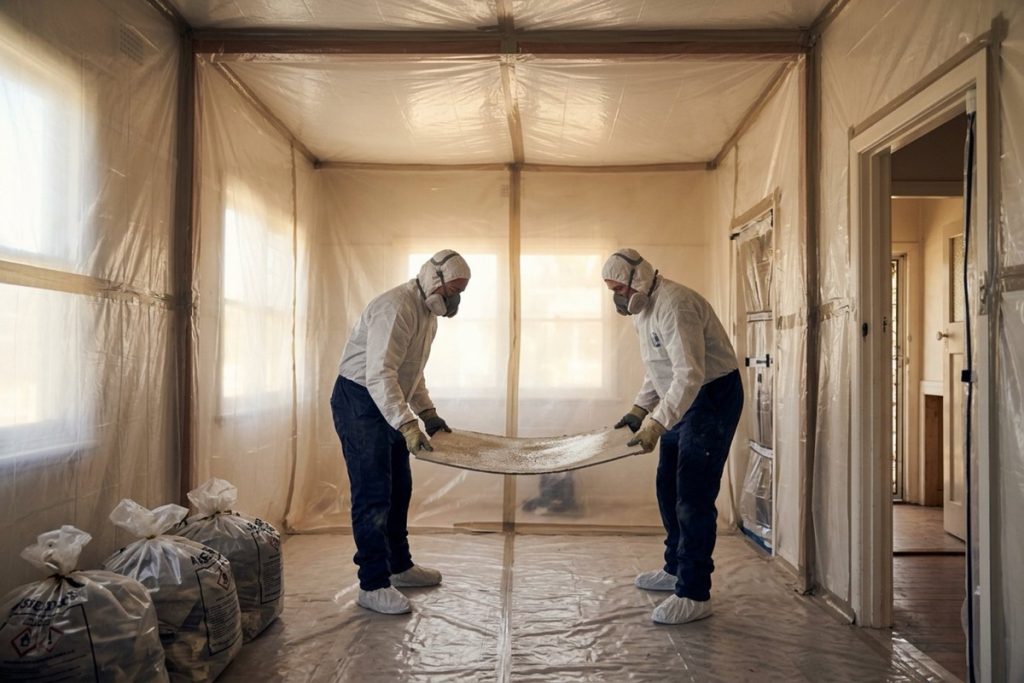
What the WHS Regulations require before you disturb asbestos: registers, identification before refurbishment, the 10 square metre licence threshold, notification and clearance.