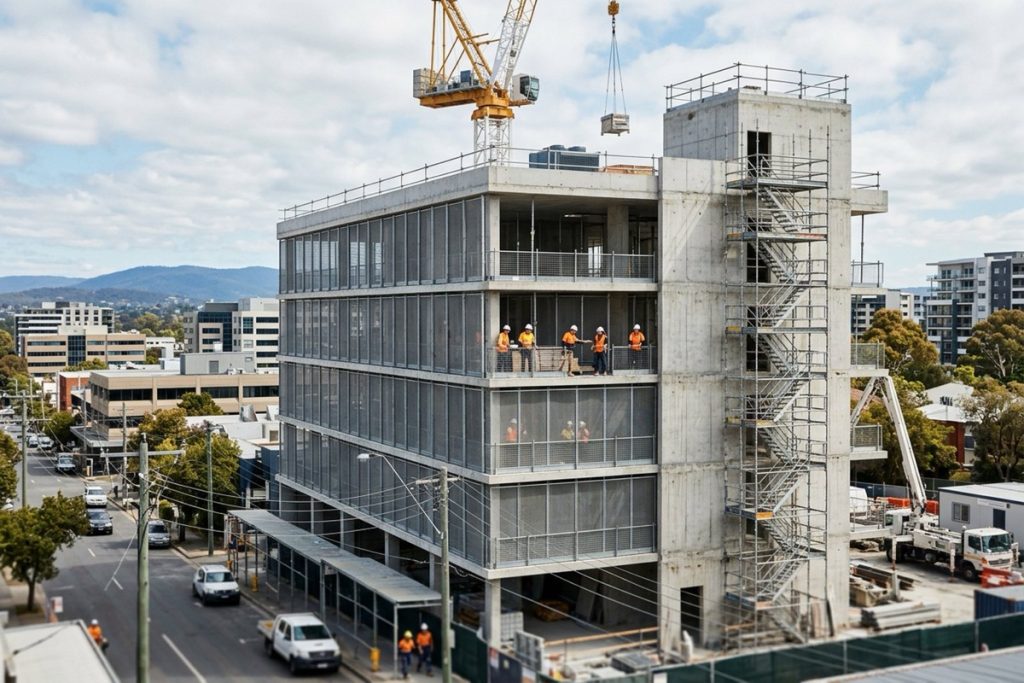
Working at heights in construction: the rules and controls
The falls rules every builder needs: no safe height, the order of controls, rescue plans, the SWMS trigger in each state, and what changed in WA on 1 October 2026.
WHS law, SWMS, high-risk construction work and site safety in Australia.
The falls rules every builder needs: no safe height, the order of controls, rescue plans, the SWMS trigger in each state, and what changed in WA on 1 October 2026.
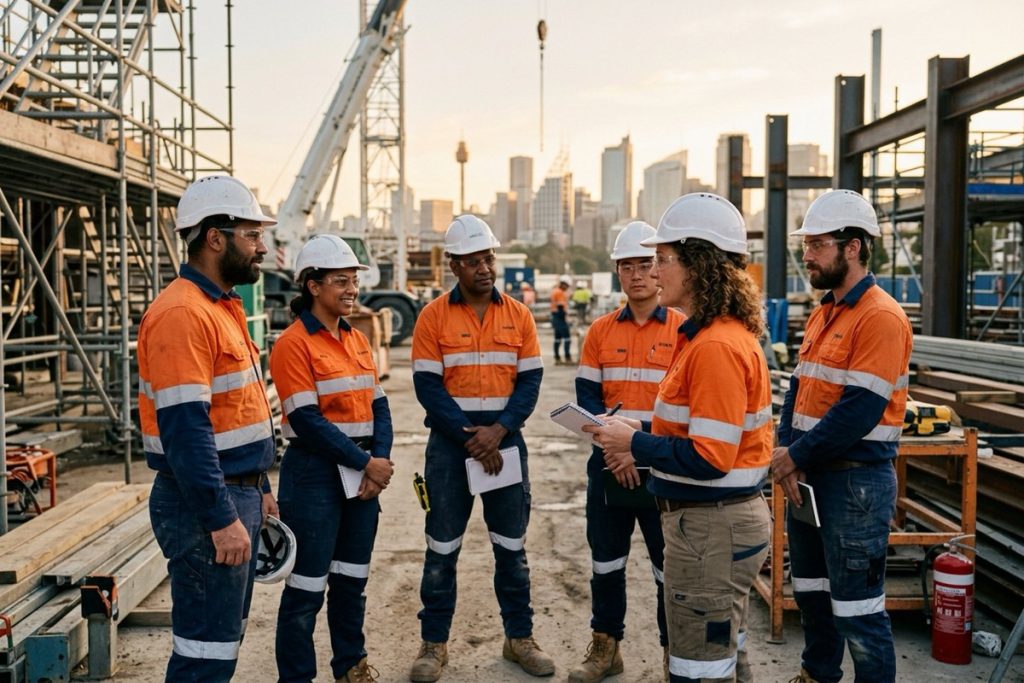
Model WHS laws apply everywhere except Victoria. Who adopted what and when, what a PCBU is, and why ‘harmonised’ does not mean identical.
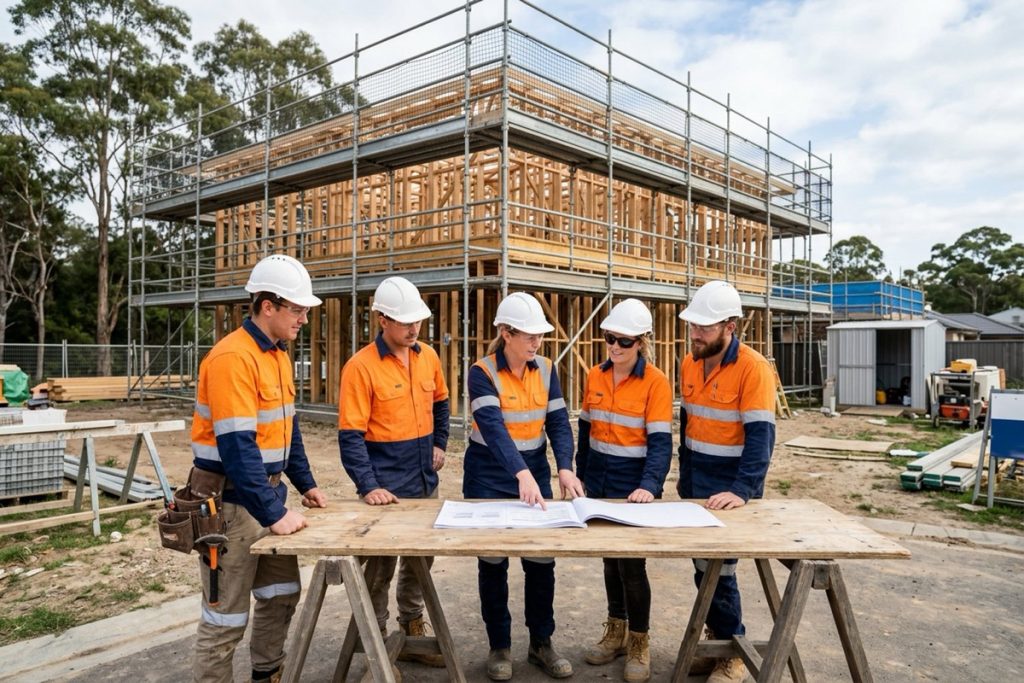
A SWMS must be in place before high risk construction work starts. The 18 categories, the fall-height trigger by state, what to include and why generic SWMS fail.
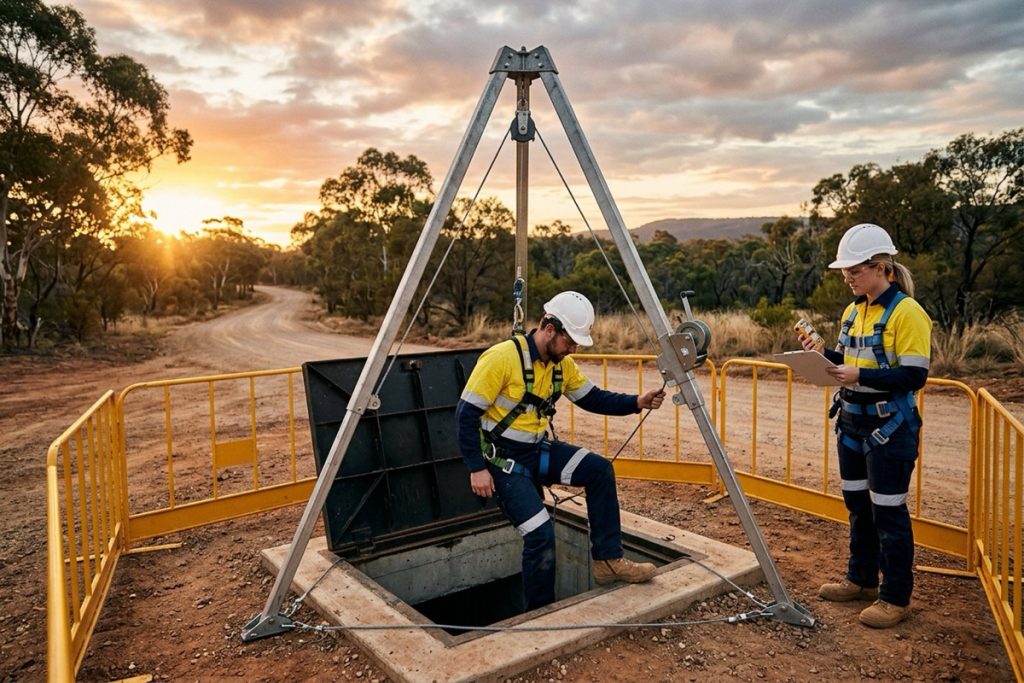
How the WHS Regulations define a confined space, the pits, tanks, sewers and excavations that often qualify, and the permits, testing, standby and rescue rules that apply.
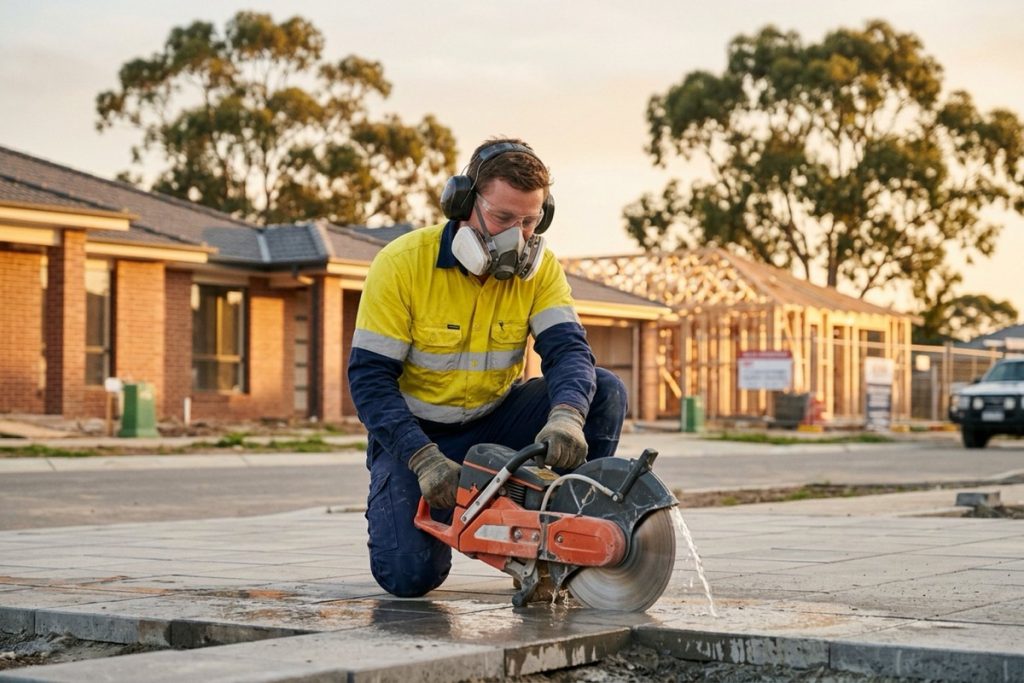
What builders must do about silica dust: the 1 July 2024 engineered stone ban, the 1 September 2024 crystalline silica rules, the exposure standard and the controls that work.
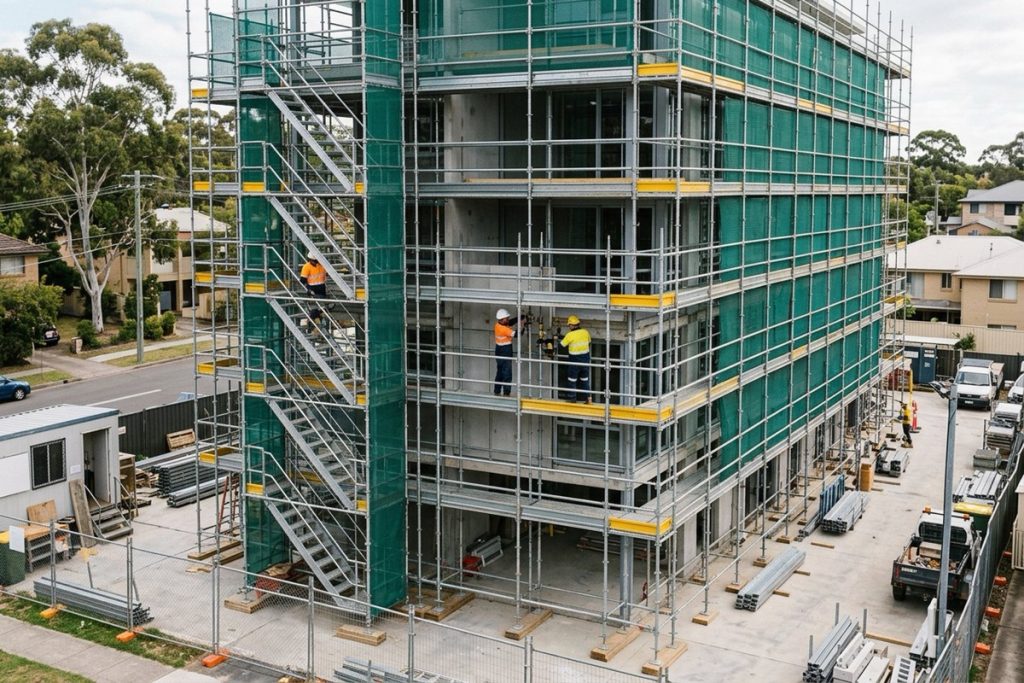
Scaffolding licence classes and the 4-metre trigger, the handover and 30-day inspection rules, tags, alterations and mobile scaffolds, and where Victoria, WA and Queensland differ.
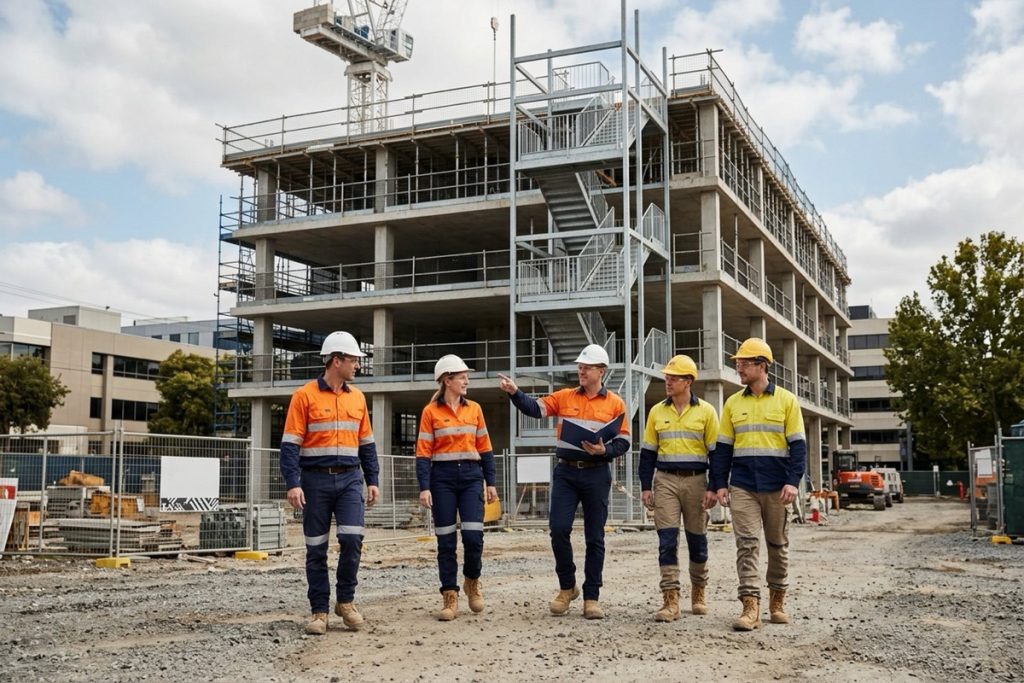
Who the principal contractor is, the cost thresholds in each state, what the WHS management plan must contain, and the site-wide risks the principal contractor owns.

Directors and senior decision-makers carry a personal WHS duty. Who counts as an officer, what due diligence requires, the offences, and how to prove it.
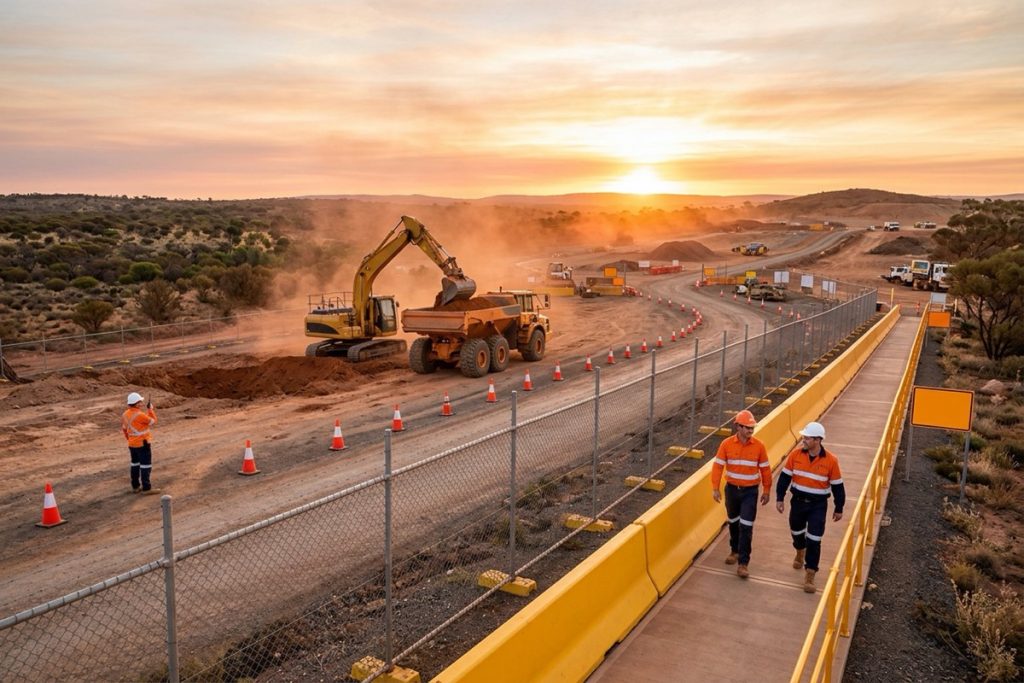
What the WHS Regulations require for excavators, loaders, forklifts and trucks on site, how to separate people from plant, which plant needs a licence, and who manages traffic.
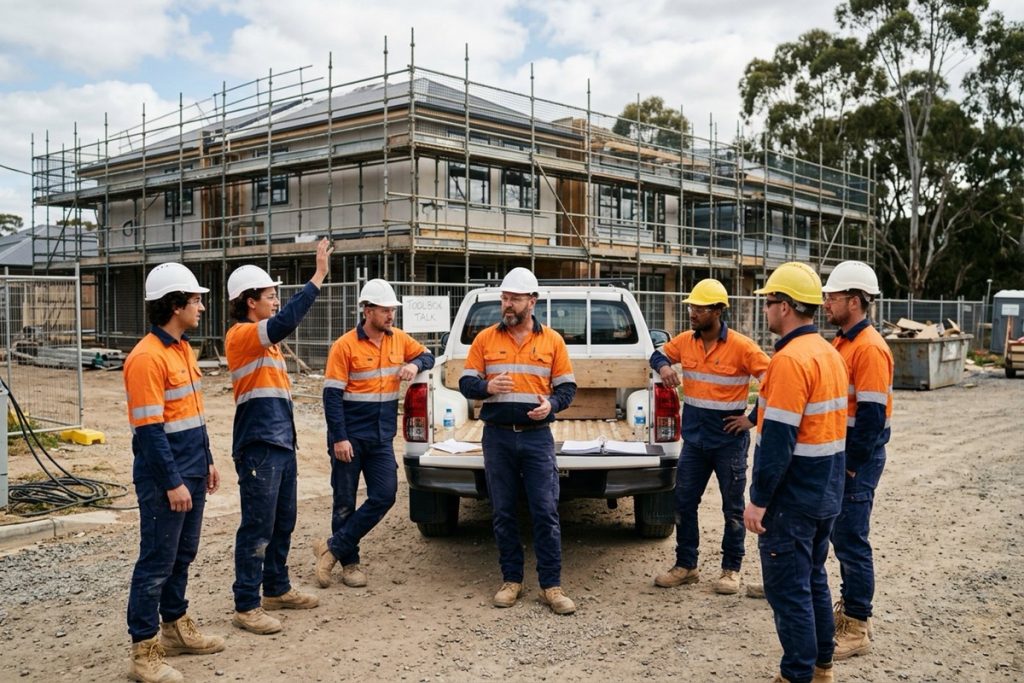
Short, one topic, tied to today’s work and the SWMS, and genuinely two-way. The legal duties behind toolbox talks, a 10-minute structure and what to record.